
Budget Meal Planning: Healthy Weekly Meal Plans on a Budget
- Meinhard Mare
- Apr 20
- 4 min read

Eating well without breaking the bank is totally doable. I’ve been there—juggling work, family, and trying to eat healthy without spending a fortune. The secret? Smart budget meal planning. It’s all about making the most of what you buy, cooking efficiently, and enjoying tasty meals every day. Let me walk you through how to create a healthy weekly meal plan on a budget that fits your busy lifestyle.
Why Budget Meal Planning Makes Life Easier
When you plan your meals ahead, you save time, money, and stress. No more last-minute takeout or wandering the grocery aisles wondering what to cook. Budget meal planning helps you:
Cut food waste by buying only what you need.
Save money by focusing on affordable ingredients.
Eat healthier by controlling what goes into your meals.
Reduce stress with a clear plan for the week.
I like to think of it as setting myself up for success. When I have a plan, I’m less tempted to grab unhealthy snacks or order expensive meals. Plus, cooking at home means I know exactly what’s on my plate.
How to Start Your Budget Meal Planning Journey
Starting can feel overwhelming, but it’s easier than you think. Here’s a simple step-by-step guide to get you going:
Check your pantry and fridge first. Use what you already have to avoid buying duplicates.
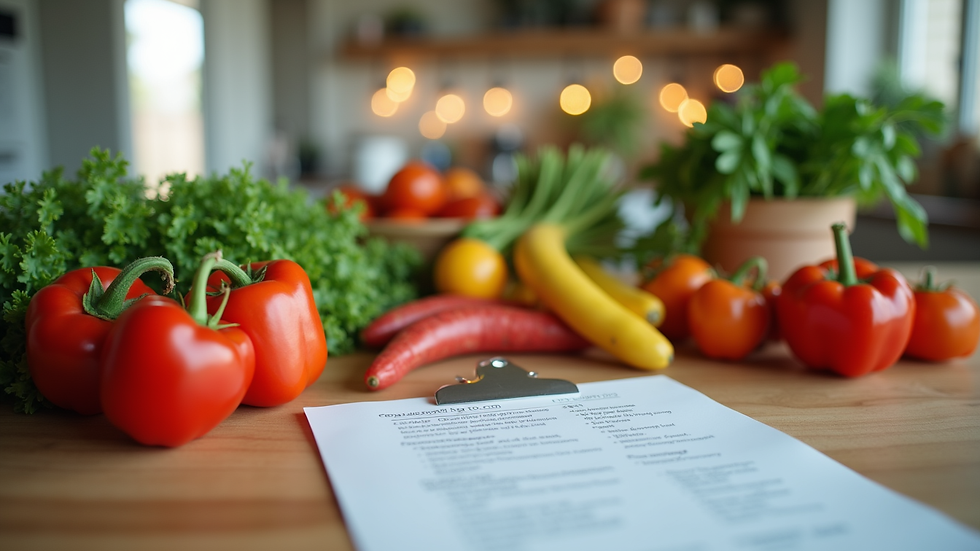
Pick affordable staples like rice, pasta, beans, frozen veggies, and seasonal produce.
Plan meals around sales and discounts at your local grocery store.
Choose recipes with overlapping ingredients to minimize waste.
Prep in bulk to save time during the week.
For example, if chicken breasts are on sale, plan a few meals using chicken—maybe grilled chicken salad, chicken stir-fry, and chicken soup. This way, you buy in bulk and use everything efficiently.
Smart Shopping Tips for Budget Meal Planning
Shopping smart is key to sticking to your budget. Here are some tips I swear by:
Shop the perimeter of the store first. That’s where fresh produce, dairy, and meats usually are.
Buy in bulk for items you use often, like oats, rice, or frozen fruits.
Choose store brands instead of name brands—they’re often just as good.
Use coupons and apps to find deals.
Avoid pre-cut or pre-packaged foods; they cost more.
Pick seasonal fruits and veggies for better prices and freshness.
Don’t forget to bring your own reusable bags and a list to avoid impulse buys. Trust me, sticking to your list saves a lot of money and keeps your meals on track.
Easy and Affordable Meal Ideas for the Week
Here’s a sample meal plan that’s healthy, budget-friendly, and simple to prepare. Feel free to swap ingredients based on what’s on sale or what you have at home.
Monday
Breakfast: Overnight oats with frozen berries and a drizzle of honey.
Lunch: Chickpea salad with cucumbers, tomatoes, and a lemon vinaigrette.
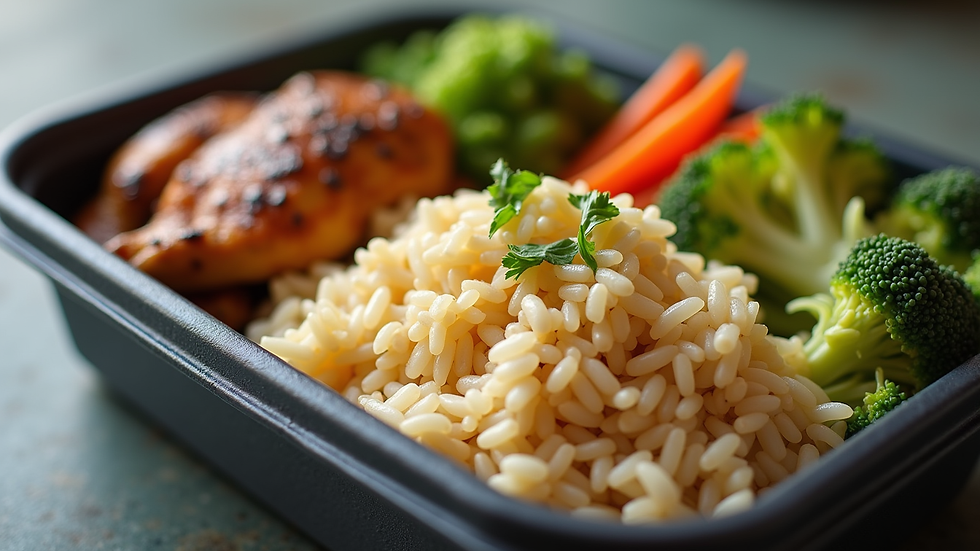
Dinner: Stir-fried chicken with mixed frozen veggies and brown rice.
Tuesday
Breakfast: Scrambled eggs with spinach and whole wheat toast.
Lunch: Leftover chicken stir-fry wrapped in a whole wheat tortilla.
Dinner: Lentil soup with carrots and celery, served with a side of steamed broccoli.
Wednesday
Breakfast: Greek yogurt with sliced banana and a sprinkle of granola.
Lunch: Tuna salad sandwich on whole grain bread with a side of carrot sticks.
Dinner: Spaghetti with homemade tomato sauce and a side salad.
Thursday
Breakfast: Smoothie with spinach, frozen mango, and almond milk.
Lunch: Quinoa bowl with black beans, corn, and avocado.
Dinner: Baked salmon (or canned salmon) with roasted potatoes and green beans.
Friday
Breakfast: Whole grain cereal with milk and fresh fruit.
Lunch: Veggie wrap with hummus, cucumber, and shredded carrots.
Dinner: Homemade pizza with whole wheat crust, tomato sauce, cheese, and veggies.
Weekend
Use leftovers creatively or try batch cooking for the week ahead. Make a big pot of chili or stew that can be portioned out for lunches or dinners.
Tips to Keep Your Meal Plan Flexible and Fun
Meal planning doesn’t have to be rigid. Here’s how to keep it enjoyable:
Mix and match ingredients to keep meals interesting.
Try new recipes once in a while to avoid boredom.
Prep ingredients in advance but cook fresh when possible.
Use leftovers creatively—turn last night’s roast into a wrap or salad.
Keep a list of your favourite budget-friendly recipes for quick reference.
Remember, the goal is to make cooking less stressful and more enjoyable. If you miss a day or want to eat out, that’s okay! Just get back on track the next day.
Making It Work for Your Busy Week
When life gets hectic, meal planning can feel like just another task. Here’s how I make it work:
Set aside 30 minutes on the weekend to plan and prep.
Cook double portions and freeze extras.
Use slow cookers or instant pots for hands-off cooking.
Keep healthy snacks ready to avoid grabbing junk food.
Involve the family—kids can help with simple tasks like washing veggies or setting the table.
With these tricks, you’ll find that eating well on a budget fits right into your busy schedule.
If you want to dive deeper into creating a healthy weekly meal plan on a budget, there are plenty of resources and tools online to help you customize your meals and save even more.
Happy cooking and happy saving! Your wallet and your taste buds will thank you.


Comments